
 CALL US
 E-MAIL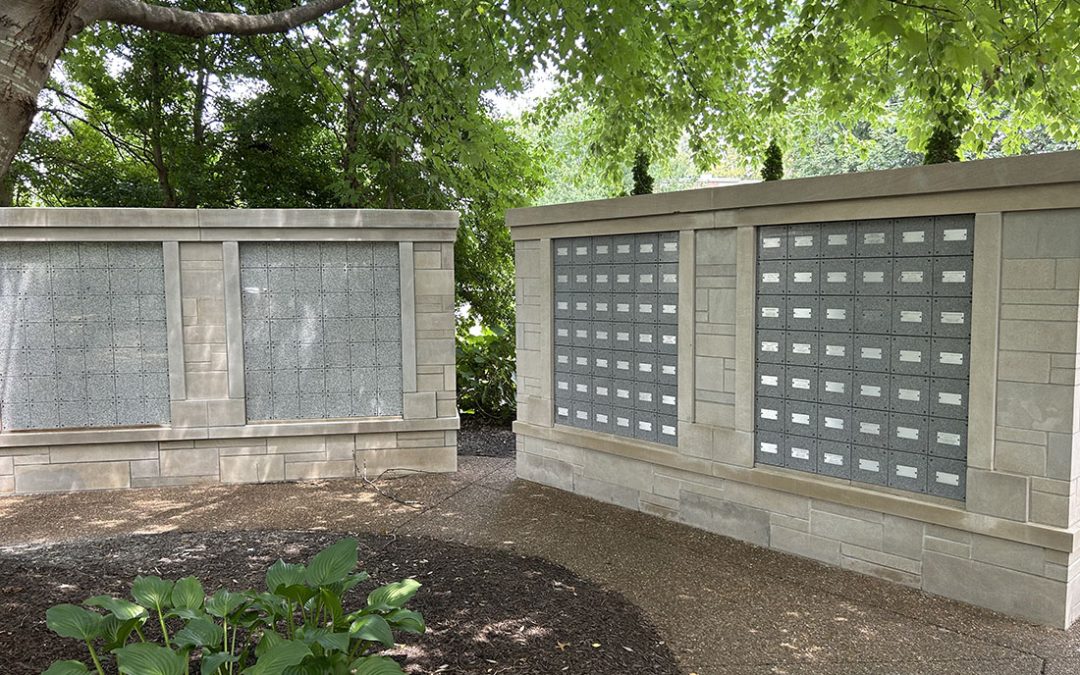
Granite is overwhelmingly the preferred choice for columbarium faceplates (and indeed, for most outdoor memorialization) due to a combination of superior physical properties and aesthetic versatility. Here’s a detailed breakdown of why it’s such a good choice:
1. Unmatched Durability and Longevity:
- Hardness: Granite is an igneous rock, formed from cooled magma, making it incredibly hard and dense. It ranks 6-7 on the Mohs scale of hardness, making it highly resistant to scratches, chips, and abrasion. This is crucial for a faceplate that will be exposed to the elements and occasional human interaction.
- Weather Resistance: It stands up exceptionally well to harsh outdoor conditions, including:
- Extreme Temperatures: It won’t crack or deteriorate due to freezing and thawing cycles or intense heat.
- UV Radiation: Unlike some other materials, granite doesn’t fade or discolor when exposed to prolonged sunlight, ensuring the inscription and stone color remain vibrant for centuries.
- Moisture: Its low porosity means it resists water absorption, preventing damage from rain, snow, and ice, as well as minimizing staining.
- Structural Integrity: Granite is a very strong material that can bear significant weight, making it ideal for the outer layer of a robust columbarium structure.
2. Low Maintenance:
- Stain Resistance: Due to its density and low porosity, granite is naturally resistant to staining from dirt, organic matter (like moss or mildew), and environmental pollutants.
- Easy to Clean: Regular cleaning usually only requires a soft cloth, water, and mild soap. It doesn’t require harsh chemicals or abrasive cleaners that could damage other materials.
- Retains Appearance: It maintains its original beauty and polished look for extended periods with minimal effort, reducing long-term upkeep costs for the church or cemetery.
3. Aesthetic Versatility and Beauty:
- Wide Range of Colors: Granite comes in an incredible array of natural colors, from classic grays, blacks, and whites to unique shades of red, pink, green, brown, and even blue. This variety allows for diverse design options to match the architectural style of the church or cemetery.
- Unique Patterns and Veining: Each slab of granite is unique, featuring natural patterns, speckles, and variations that add character and individuality to each faceplate.
- Finish Options: It can be polished to a high sheen for a classic, reflective look, or given a honed (matte) or flamed (textured) finish for a more natural or rustic appearance.
- Legible Engravings and Customization: Granite’s hardness allows for precise and deep engravings, ensuring inscriptions, names, dates, and even intricate artwork remain highly legible for generations. It also accommodates laser etching and the mounting of bronze appliqués or porcelain photographs.
4. Symbolism of Permanence:
- Lasting Tribute: The inherent durability and longevity of granite symbolize enduring love, remembrance, and the permanent legacy of the deceased. This resonates deeply with families seeking a lasting memorial.
- Historical Precedent: Granite has been used for centuries in monuments and architectural masterpieces (e.g., Egyptian pyramids, Mount Rushmore), underscoring its proven ability to withstand the test of time.
While other materials like bronze or marble are sometimes used, they each have drawbacks compared to granite. Bronze can oxidize and change color over time, requiring more maintenance to maintain its luster. Marble, while beautiful, is softer and more porous than granite, making it more susceptible to etching from acid rain, staining, and erosion.
In summary, granite offers an unparalleled combination of durability, low maintenance, aesthetic appeal, and symbolic significance, making it the ideal choice for Everest Columbarium faceplates that are meant to honor loved ones for centuries to come.