
 CALL US
 E-MAIL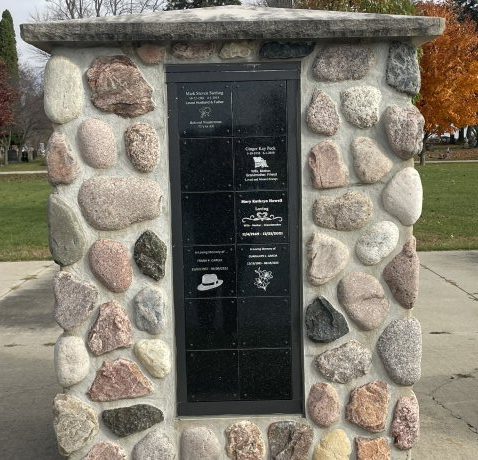
Yes, absolutely! One of the primary advantages of a columbarium is its space efficiency, making it an excellent solution for small areas where traditional ground burials aren’t feasible or desirable.
Here’s why and how columbariums can be installed in small spaces:
1. Vertical Design: Unlike burial plots that require horizontal space, columbariums are vertical structures. They maximize capacity by utilizing height, similar to how a multi-story building maximizes usable space on a small lot. This means you can store many urns in a relatively small footprint.
2. Modular Construction: Columbariums are often built in modular sections. These individual units or banks of niches can be arranged in various configurations to fit awkward or limited spaces. They can be: * Single-sided or double-sided: A single-sided unit can be placed against a wall, while a double-sided unit maximizes space efficiency when placed in an open area. * Varying heights: From short, garden-style units to tall, wall-like structures. * Customizable shapes: Manufacturers can design units to fit specific corners, curves, or narrow strips of land.
3. Integration into Existing Structures: A columbarium doesn’t always have to be a standalone monument. It can be integrated into: * Existing church walls: If the building structure allows, niches can be built directly into an exterior or even interior wall. * Garden walls: Creating a memorial garden that incorporates a columbarium wall can be very aesthetically pleasing and space-saving. * Walkways or courtyards: A narrow bank of niches can line a pathway or become a feature in a small courtyard area.
4. Ideal for Urban and Established Cemeteries:
- Urban Churches/Cemeteries: In densely populated areas where land is extremely expensive and scarce, columbariums are often the only practical option for offering interment services.
- Established Cemeteries: Older cemeteries that are nearing capacity for traditional burials can extend their lifespan significantly by adding columbarium units in previously unusable or underutilized areas.
Examples of Small Space Applications:
- A quiet corner of a churchyard: Even a small, unused patch of grass can be transformed into a dignified columbarium garden.
- A meditation garden: A columbarium can be the focal point of a small, tranquil garden designed for reflection.
- An alcove or niche within a church building: For indoor options, an unused alcove can be converted.
- Lining a pathway: A series of low, linear columbarium walls can define a pathway while providing memorialization.
Considerations for Small Spaces:
While columbariums are great for small spaces, there are still a few design considerations:
- Accessibility: Ensure there’s enough clear space for people to approach the niches comfortably and for any necessary maintenance.
- Aesthetics: In a small space, design becomes even more critical. Landscaping, benches, and lighting can enhance the area and create a sense of peace despite its size.
- Flow: How will people move around the columbarium within the limited space?
- Local Ordinances: Always check local zoning and cemetery regulations, as there might be specific setback requirements or height restrictions, even for columbariums.
In conclusion, if a church or community has limited land, a Everest Columbarium is not just a viable option but often the most logical and practical solution for providing a lasting and dignified resting place for cremated remains.